
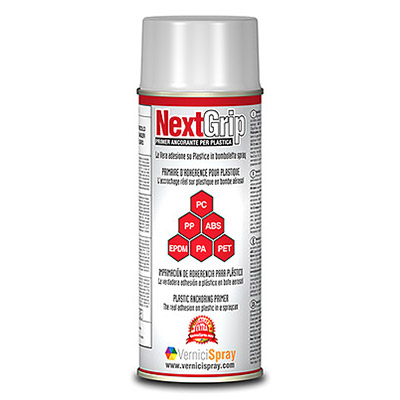

NextGrip is the result of VerniciSpray's research for an
primer for plastic in spraycan with maximum performance. It has excellent adhesion on the most difficult plastics to paint like
PET and
PVC, as well as on many automotive plastics, such as:
- ABS (car Bumper and Spoiler)
- EPDM (Spoilers or Wheel arches)
- PA Nylon (Caps/Lateral Bands)
- PC Polycarbonate (car Spoiler and Bumper)
- some types of PP Polypropylene (Bumper)
Car body plastic parts are in many cases ABS or EPDM, that's why NextGrip is a precious ally in painting plastic car parts, as primer for plastic bumper for example.
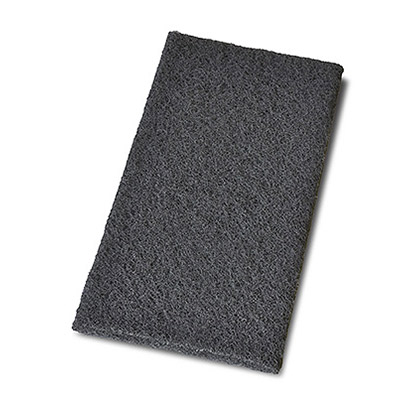
Instructions for use: Sand slightly with
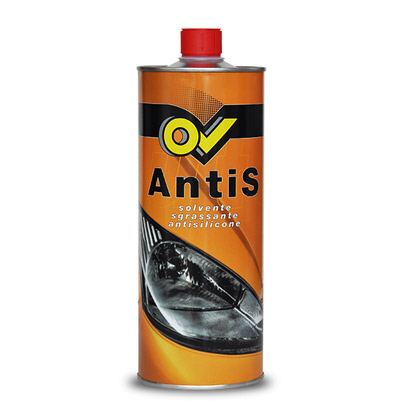
scotch brite it is essential to clean plastic surfaces well with
anti silicone cleaner. This step is always important during painting works, but plastic must be degreased well before painting even more than other materials. After thorough cleaning, apply the NextGrip in 2 light coats.
Repaint immediately after, no more than 10-12 minutes. The primer makes the plastic surface paintable only for a short time: then, you will have to apply the primer again.
Yield: 1-1,5 sqm/spraycan.
Colour: clear (transparent).
N.B.: The NextGrip is properly a plastic adhesion promoter, so it doesn't not create thickness as an undercoat would do, nor it can be sanded: its function is specifically to allow the plastic be paintable.
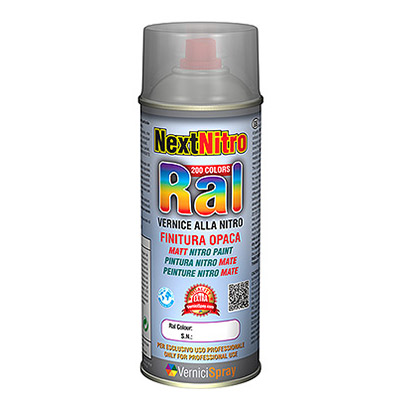
The NextGrip Primer for Plastic can be overpainted with all VerniciSpray undercoats and paints (acrylic
NextAcryl, nitro
NextNitro, 2k polyurethane
NextRal and
NextColor car line).
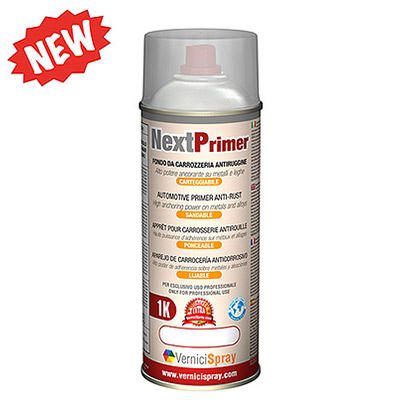
Only for unpainted plastic: The use of a plastic adhesion promoter is necessary for unpainted plastic surfaces, never for plastic surfaces with old paint on them. In that case you don't need a specific primer for plastic: once sanded the old paint and made it matt, you can apply the paint or our
NextPrimer as undercoat.
Specific technical notes and warnings
Test Recommended before use: when we talk about plastic we refer to a wide range of materials with different composition, so in general when we paint plastics we always recommend a test in a small, barely visible part to make sure the product is compatible with the material to treat.